The Art of Minimalist Living: A Room-by-Room Guide
Minimalism is not about living in an empty white box. Learn how to design a warm, functional, and clutter-free home that brings peace and clarity to your daily life.
MyHomeDecor
We live in a world of accumulation. We are constantly told that to be happier, more successful, or more comfortable, we need to buy more things. Our cabinets fill with single-use gadgets, our closets overflow with clothes we rarely wear, and our tables collect stacks of paper and miscellaneous objects.
But eventually, the clutter in our homes begins to mirror the clutter in our minds. Visual noise is a real psychological stressor. When every surface is covered in objects demanding your attention, it is difficult to find true relaxation.
This is where minimalist design offers a different path. Minimalism is not about stripping away everything you love or living in a sterile, clinical white box. True minimalism is about intentionality. It is about keeping only the things that serve a clear purpose or bring genuine joy, and letting go of the rest. Here is how to cultivate this clean, restful aesthetic in your own home.
The Core Principles of Warm Minimalism
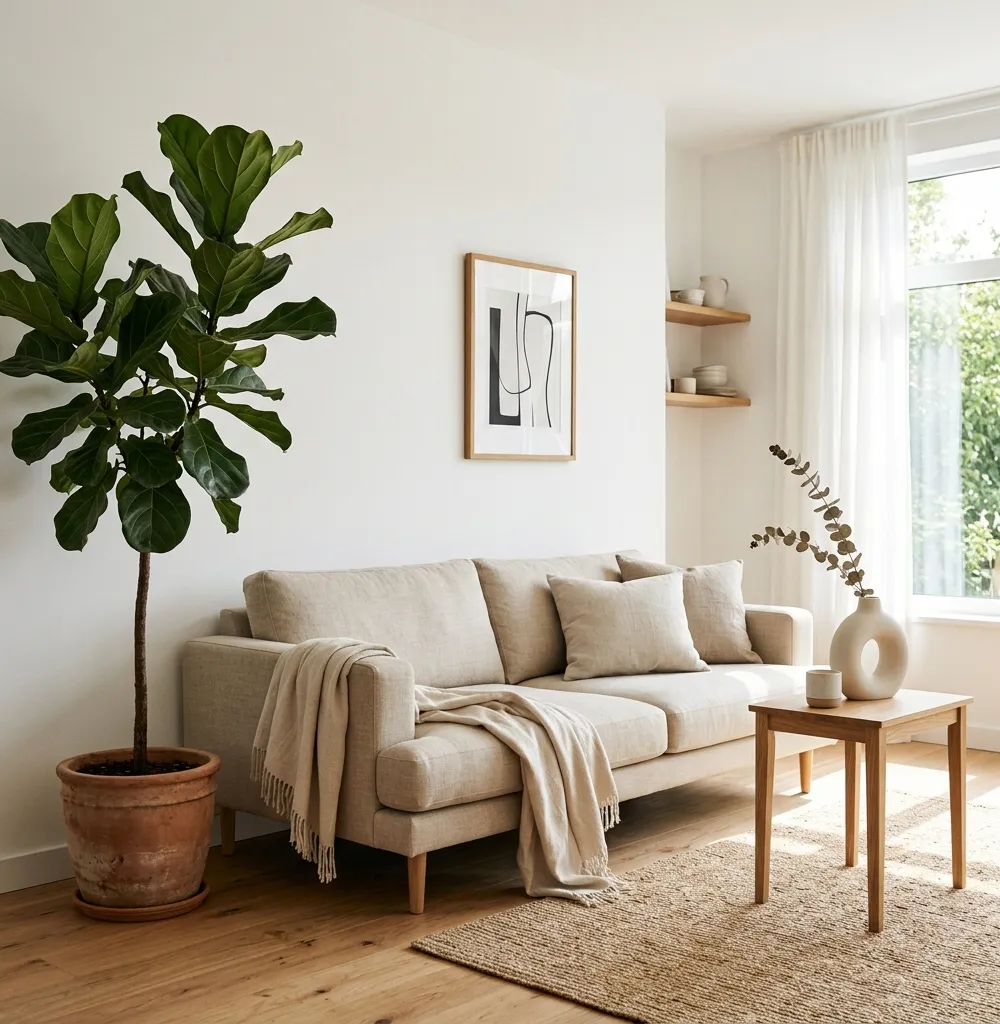
Before reorganizing your space, it helps to understand that modern minimalism has evolved. The cold, uninviting spaces of early minimalist architecture have been replaced by “warm minimalism” — a style that prioritizes clean lines and open space while incorporating natural textures, soft colors, and comfortable elements that make a house feel like a home.
1. Negative Space is a Design Element
In interior design, negative space is the empty space around and between objects. Most people look at an empty corner or a bare wall and feel an immediate urge to fill it with furniture, art, or a plant.
In a minimalist home, empty space is celebrated. It gives the eye a place to rest. It allows the beautiful lines of a single armchair or the architecture of a room to stand out. When you allow corners to remain empty, the entire room immediately feels larger, brighter, and more peaceful.
2. Prioritize Texture Over Color
If you restrict your color palette to neutrals, how do you prevent the space from looking boring or cold? The secret is texture.
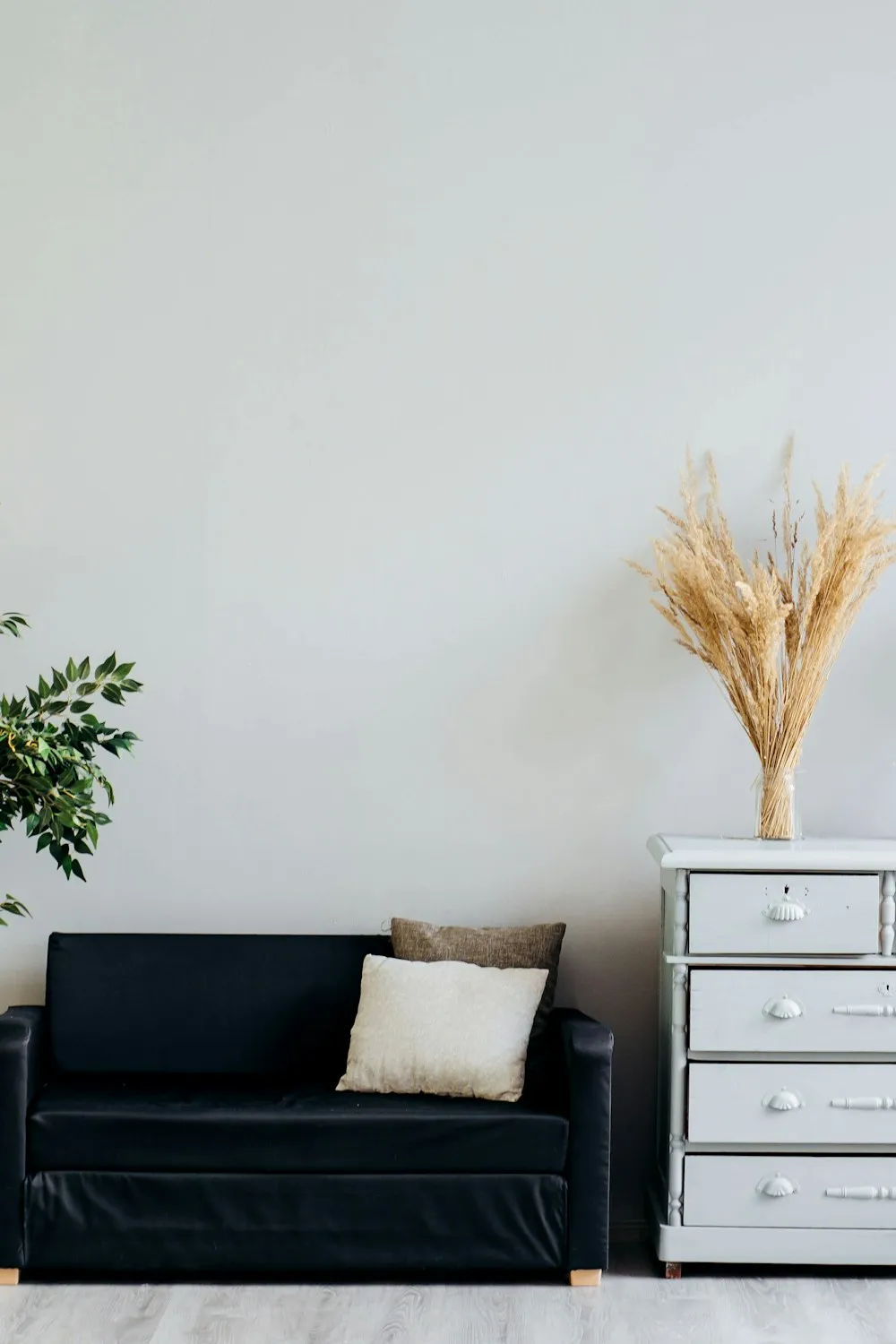
When every object shares a similar neutral tone, the texture of the materials becomes the focus. Mix different natural elements:
- A raw timber coffee table next to a soft boucle sofa
- A linen throw blanket draped over a leather armchair
- A matte ceramic vase standing against a plaster-finished wall
- A woven jute rug laying over smooth oak floorboards
These natural variations invite touch and create visual warmth without adding color chaos.
3. Clear the Countertops
The single fastest way to transform the energy of a room is to clear its horizontal surfaces. Kitchen counters, coffee tables, dining tables, and dresser tops should be kept almost entirely clear.
If an object does not serve an immediate daily purpose or act as a carefully selected decorative piece, it belongs in a drawer, a cabinet, or the closet. This simple change eliminates visual noise instantly and makes cleaning incredibly fast.
Room-by-Room Minimalist Guide
Here is how to apply warm minimalist principles to the main areas of your home.
The Living Room: Cozy but Curated
The living room is for relaxing, but it is often the hardest room to keep clutter-free.
- Seating: Choose a sofa with clean lines and off-the-floor legs (which makes the floor space feel continuous).
- Media console: Opt for closed storage. Keep cords, game consoles, and remote controls hidden inside cabinet doors.
- Decor: Instead of ten small knick-knacks scattered on shelves, display one large, high-quality ceramic bowl or a single framed art print.
The Bedroom: A Sanctuary for Sleep
Your bedroom should be the most peaceful room in the house.
- The Bed: Stick to simple, breathable linens in soft neutral tones. Avoid excess decorative pillows — two standard pillows and one accent cushion are plenty.
- Nightstands: Keep the surfaces clear. A single lamp, your current book, and a glass of water are all you need.
- Closet: Transition to a capsule wardrobe. Hang clothes by category and color, and store seasonal items in boxes out of sight.
The Kitchen: Functional Simplicity
A minimalist kitchen makes cooking a joy by removing friction.
- Appliances: Keep the toaster, blender, and kettle inside cabinets unless you use them multiple times a day.
- Pantry: Decant dry goods into matching glass jars. It looks organized and makes it easy to see when you are running low on staples.
- Dishes: Keep only as many plates, bowls, and glasses as you realistically need for your family and occasional guests. Donate the mismatched surplus.
The 3 Simple Rules of Decluttering
If you are overwhelmed by the amount of stuff in your home, use these three rules to begin editing:
- The 90/90 Rule: Have you used this item in the last 90 days? Will you use it in the next 90 days? If the answer to both is no, it is time to let it go.
- One In, One Out: To prevent clutter from creeping back in, establish a rule: for every new item you bring into your home (a shirt, a mug, a book), one existing item must be donated, sold, or recycled.
- Don’t Organize Clutter: The biggest mistake people make is buying beautiful storage boxes to store things they don’t actually use. Organizing clutter just hides the problem. Edit first; organize only what remains.
Spacing and Furniture Layout Rules
To create the open, spacious feeling of a minimalist home, keep these spacing rules in mind when arranging furniture:
| Area | Spacing Rule | Why It Matters |
|---|---|---|
| Walkways | Maintain at least 36“ (3 feet) of clear path | Allows comfortable movement without dodging furniture |
| Coffee Table | Leave 14“ to 18“ between the sofa and coffee table | Close enough to reach a drink, far enough for legroom |
| Rug Size | Front legs of all seating should sit on the rug | Anchors the seating group and defines the room boundaries |
| Wall Art | Hang artwork so the center is 57“ to 60“ from the floor | Matches natural eye level, creating visual balance |
Save this guide to your minimalist home Pinterest boards and refer back to it the next time you are ready to declutter. Remember: home should be a place of rest, not a source of stress.
Share this article